
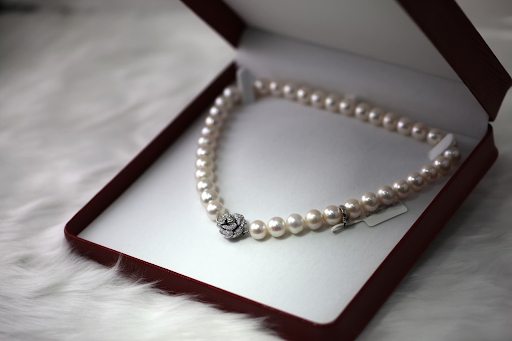
The global jewelry market is predicted to be worth a whopping $480bn by 2030. While this is music to the ears of jewelers and fashion brands, it also grabs the attention of fraudsters. Counterfeit goods are rampant within fashion and jewelery and brands are losing millions to fake products. Unfortunately, no brands are losing out more than luxury ones.
For consumers, it can be tricky to decipher between what’s real and what’s not. But if you are in the market for some expensive jewellery, here are some things you can look out for.
Weight
The easiest place to start is with the weight of a piece of jewellery. Precious metals like gold and silver have a weightiness to them while fake versions will be significantly lighter. Counterfeits are often made from cheaper materials such as plastic which will make them feel unusually light in your hand.
It can be good to get hold of a piece of jewellery that you know is real for when you go luxury jewellery shopping. Try borrowing an item from someone you know if you don’t own a piece yourself. This will give you a comparison and will make it easier to notice if a piece of jewellery feels lighter than usual.
Markings
Examine any pieces for markings. It is common for luxury jewellery to be stamped with markings that indicate its purity. On gold items, numbers like 10, 14 and 18 will indicate the karat level while silver items are often marked with their purity percentage.
If you come across items that are unmarked, question the jeweller and see if they can tell you how many karat gold an item is for example. Their reaction to being put on the spot may give you an indication that they are selling counterfeit goods.
Magnetic
It’s important to note that gold, silver and platinum are not magnetic. If you come across magnetic jewellery items that are advertised as being made from one of these precious metals, you should avoid them at all costs.
Get hold of a magnet for when you are shopping for luxury pieces. If a jeweller has an issue with you testing the magnetism of their products, it may be because they are hiding something. Be aware that cheaper items and counterfeit items may still be made from non-magnetic items.
Price
One of the most obvious signs of counterfeit jewellery is its price. Often, criminals are able to sell their products at a reduced price as it costs less to produce. While this draws in shoppers who think they are getting a good deal, remember the old saying that if something seems to good to be true, then it probably is!
It is a good idea to carry out some prior research before you visit a jeweller. A quick search online for items such as rhodium jewelry will give you a rough idea of how much you can expect to pay.
Certificate of Authenticity
A legitimate jeweller should be able to provide a certificate of authenticity if you are purchasing an item which contains valuable gemstones. Certificates are used to give consumers more information about their new item and verify its legitimacy.
Proceed with caution if your place of purchase can’t produce a certificate of authenticity. You should also be aware of fake certificates that are produced to make counterfeit goods appear official.
Best Places To Buy Jewelry
Jewelry markets drastically vary from one country to the next. Nations like China, India and Turkey are known for having high volumes of counterfeit jewelry that can look very similar to their legitimate counterparts.
If you want to increase your chances of securing a real piece of jewelry, you could even head to countries that have a strong reputation in the jewelry world. The likes of Italy, Switzerland and the US are known for being key players in the jewelry market and legislation around counterfeits is strict. In countries such as these, it will be much easier to spot which jewellers are official and which are selling fake items.
Finally, if you do have any concerns about the legitimacy of an item, it is safer to simply avoid making a purchase and only hand over cash when you are absolutely certain that the item is legitimate.